Sleep Can Help with Weight Loss

Did you know that a good night’s sleep can support you lose or keep a healthy weight? It’s a point that a restful night’s sleep is just as important for weight loss as regular physical activity. For instance, a good night’s sleep supports regulate your metabolism and hormones both of which play main roles in your ability to maintain a healthy weight.

If you’re trying to lose extra weight but have problems sleeping through the night, make an appointment with a sleep expert immediately. It’s possible that sleep loss may be interfering with your capacity to Lose weight.

Sleep Controls Hunger Hormones

Leptin and ghrelin are hunger hormones that control your appetite. Sleep loss can make these hormones change and cause you to overeat, and eat when you’re not even hungry. Quality sleep can properly balance your hunger hormones, and also curb overdosing and cravings for unhealthy junk foods.

Sleep Normalizes Brain Chemistry

Serotonin, dopamine, and gamma amino butyric acid are all brain chemicals that production essential roles in your mood and mental health. Sleep loss tosses these brain chemicals off balance and increases your risk for anxiety and sadness. These mental health complaints are linked to increased fat storage and weight gain on behalf of issues such as increased cortisol levels and overeating. A good night’s sleep can ward off mental health conditions like these that donate to weight gain.

Sleep Increases Your Workouts

Sleep deprivation can make you impression unmotivated, sluggish, and overly tired to the point you’re unable to work out without facing the risk of injury. A quality night’s sleep can lift your mood and make you feel more active to enhance your workouts and athletic performance. Exercising commonly can improve your overall health and help you shed excess weight.

Sleep Battles Insulin Resistance

Lack of sleep affects with the way your body produces and manages insulin an imbalance of insulin can lead to an increase in fat storing, cause sugar to linger in your bloodstream for longer, and trigger insulin confrontation. Insulin resistance is a risk factor for type two diabetes and heart disease therefore, getting sufficiently of sleep helps your body fight insulin resistance. This will help you can escape weight gain and other related medical conditions.


How to Reduce Oily Skin

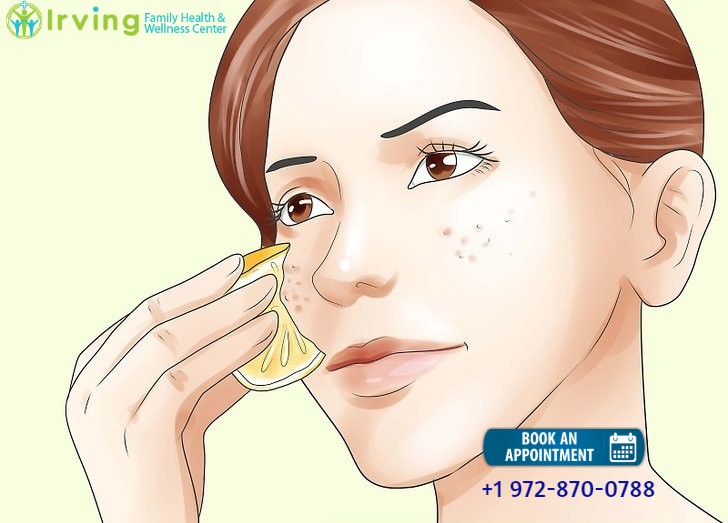
Although oily Skin can jam holes and lead to increased acne breakouts, oily skin also has many benefits. Oil helps reserve the skin and people with oily skin tend to have thicker skin and fewer wrinkles. The key is to strike a balance between having too much oil and keeping your skin’s natural moisture.

You have probably observed that the shine is worse across your Tzone made up of your forehead, nose and chin. That is because your sebaceous glands are more focused in this area. The shine may also be worse in the summer months when you sweat more and sweat and oil are more likely to pool on your skin. Although we all struggle with oil skin from time to time, it is absolutely a more common problem for those in their teens and 20s.

How to Minimize Shine and Prevent Oily Skin

Wash your face every morning, evening, and after exercise: While washing, fight the temptation to scrub your skin even to remove makeup. Cleaning irritates your skin, which can make it look worse.

Choose skin care products that are labeled oil free and noncomedogenic: This means that products that have these labels containing cleansers, moisturizers and makeup won’t clog your holes or cause acne.

Use a gentle, foaming face wash: Many people trust that they need to use a strong face wash for oily skin in order to dry out their skin. However, using a face wash that is too harsh can irritate your skin and trigger improved oil production. Instead, look for a mild, gentle face wash.

Apply moisturizer daily: Although you have oily skin, it is still main to apply moisturizer to keep your skin hydrated. To save time and defend your skin from the sun’s harmful ultraviolet rays, look for a moisturizer that also contains a broad spectrum sunscreen with an SPF of 30 or higher.

Wear sunscreen outdoors: Sunscreen helps prevent sun harm that could lead to wrinkles, age spots and even skin cancer. To prevent acne breakouts, look for sunscreens that contain zinc oxide and titanium dioxide, and do not use sunscreens that contain cologne or oils.

DON’T touch your face throughout the day: Although it’s attractive to touch your face, doing so can spread dirt, oil and bacteria from your hands to your face. Only touch your face when you’re cleaning, moisturizing or applying sunscreen or makeup, and make sure your hands are clean first.

General Internal Medicine

Internal medicine is a field of practice dedicated on treating adults. Doctors prevent, diagnose, and treat diseases that worry all adults, from chronically ill patients, to short-term care. Once a doctor finishes an internal medicine residency, they are subsequently referred to as internist.

Many internists enter into training following completion of their basic internal medicine training.  These physicians practice general internal medicine and are generally referred to as general internists.

General internists are equipped to holder the broad and whole spectrum of illnesses that affect adults, and are recognized as specialists in diagnosis, in treatment of chronic illness, and in health advancement and disease prevention they are not limited to one type of medical difficult or organ system.

General internists are equipped to agreement with whatever difficult a patient brings no matter how common or rare, or how simple or complex. They are especially trained to solve puzzling diagnostic problems and can handle severe chronic illnesses and situations where several different sicknesses may strike at the same time. 

General internists may train in a variety of settings. Their training completely qualifies them to practice primary care and follow patients over the period of their adult lives and establish long and valuable personal relationships with their patients.

Although internists may act as primary care physicians, they are not common practitioners, or family physicians, whose training are not only focused on adults and may include pediatrics, obstetrics, and surgery Learn extra about the difference between general internal medicine and family medicine. 

Some general internists may focus their practice on concerned for patients in the hospital setting, and may be referred to as hospitalists, the popular of hospitalists in the US are general internists. 

Still other general internists will syndicate these facets of care and provide both outpatient and inpatient cares for their patients.  And other general internists may practice in unique settings such as rehabilitation centers and long term care services, among other clinical settings.

Teenage Skincare Guidelines for Acne and Blackheads

Skin changes are a natural part of your teenaged years. While you may not have given greatly thought to your complexion before, times have changed. Now you have to accomplish skin, pesky pimples, and bold blackheads, which can be a daunting task.  

Beat Those Marks in Your Teens

Approximately 85 percent of all people get blemishes! But knowing you are not the only one is often of little comfort when you get a huge pimple the night before the school play or a large party.

 
5 Ways to be careful of Your Skin in Your Teens with Skin Care Routine 

 Wash Your Face Double a Day:

       It is important to wash your face once in the morning and once in the evening with soap that contains salicylic acid. Cleansing removes extra oil, bacteria and other impurities and is mainly important when you start to wear make-up. 

 Exfoliate Your Skin to a Deep Clean:

      Exfoliating cleaners slough away dead skin. This helps prevent your pores from getting stopped one of the main culprits of pimples and blackheads.

Try a Cleaning Facial Cloth:

      If you exercise or play a sport, you may want to do a quick clean after with a cleaning facial cloth. Conveniently stash a pack or two in your locker, purse or gym bag to make quick cleaning a breeze.

 Do Not Clean Too Much:

     When feel that your face is being overhauled by blemishes, you may want to wash it a lot. The reality is washing your face too often strips your skin of much needed moisture, which can lead to more breakouts. Wash your face no more than three times a day at the maximum.

Moisturize Your Skin:

       You may be worried to add a moisturizer to your routine if you have everyday breakouts. But in fact, moisturizers actually benefit to hydrate and balance skin. Try a lightweight, oil-free moisturizer double a day. A moisturizer with broad spectrum SPF protection is also your best bet to ward off sun harm. 

The Most Dangerous Fat

What is Weight Loss?

It’s natural for anybody trying to lose weight to want to lose it very quickly. But proof shows that people who lose weight gradually and progressively about 1 to 2 pounds per week are more successful at keeping weight off. Healthy weight losing isn’t just about a diet  or  program. It’s about an ongoing lifestyle that includes long term variations in daily eating and exercise habits.

Once you’ve developed a healthy weight, by relying on healthful eating and physical activity most days of the week about 60 to 90 minutes, reasonable intensity, you are more likely to be successful at care the weight off over the long term.

Losing weight is not easy, and it takes assurance. But if you’re ready to get started, we’ve got a step-by-step monitor to help get you on the road to weight loss and better health.

Weight Loss have big Benefits

The good news is that no problem, what your weight loss goal is, even a modest weight loss, such as 5 to 10 percent of your total body weight, is likely to produce health benefits, such as progresses in blood pressure, blood cholesterol, and blood sugars.1

For example, if you weigh 200 pounds, a 5 percent weight loss matches 10 pounds, bringing your weight down to 190 pounds. While this weight may still be in the overweight or obese range, this modest weight loss can drop your risk factors for chronic diseases related to obesity.

So even if the overall goal seems big, see it as a journey rather than just a final destination. You’ll learn new eating and physical movement habits that will help you live a healthier lifestyle. These lifestyles may help you maintain your weight loss over time.

In adding to improving your health, maintaining a weight loss is likely to improve your life in other ways. For example, a study of participants in the National Weight Controller Registry found that those who had maintained a significant weight loss reported developments in not only their physical health, but also their energy stages, physical mobility, general mood, and self-confidence.

What is a Med Spa?

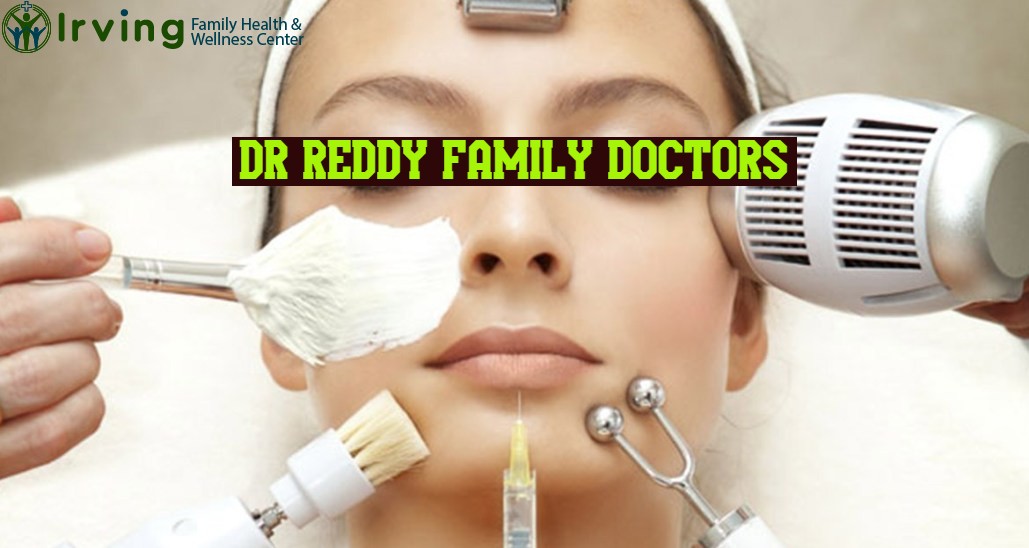
Medical Spas or Med Spas are one of the most thrilling and rapidly growing areas in medicine.  Med Spas offer medical grade aesthetic dealings in a relaxing environment.  Such treatments can include botox for lines in the upper face, fillers for returning volume loss in the face, laser therapies for fixing sun damage, laser hair removal, acne treatment, and medical grade facials and peels.  In addition, Med Spas are able to sell medical-grade skin care products that may further enhance the profits of the procedures they offer. 

Our skin is the biggest organ in our body and yet most of us sadly ignore, and even abuse, it.  Especially here in Irving, the dry climate and intense sun not only cause us to look “weathered and wrinkled”, but growth our chances of skin cancers.  Med Spas teach their clients on how to repair damage that has already been done as well as on how to prevent future damage.  By using a combination of treatments and medical-grade products, Med Spa clients really receive a complete health-care program for their skin, which may not only decrease their risk of further damage (and even cancer), but may help to look rested, fresher, and healthier.

Med Spas offer a unique opportunity for youngsters to receive innovative, state of the art acne therapy in a non-threatening and pleasant environment.  While prescription medications certainly can be useful in acne therapy and can be prescribed by the physician directors of Med Spas, they may be joint with treatments such as laser therapies, medical-grade peels, and medical-grade skin care products.  Such a combination approach may result in a happier teenager.

What should you look for when choosing a Med Spa?  Make sure that you select one where the doctor is present full time.  Med Spas are required to have a physician director, but often those doctors are rarely actually on the locations.  In addition, choose a Med Spa that offers free meetings, so that you can be made fully aware of your choices, the costs, and the dangers and benefits before you commit to any procedures.  Ideally, you should receive a computerized study of your skin during this consultation.  Lastly, make sure that you choose a Med Spa that does feel peaceful.  You should enjoy your time spent at a Med Spa and when you leave, you’ll love knowing you are working toward well skin health! 

What is a Laser Hair Removal?

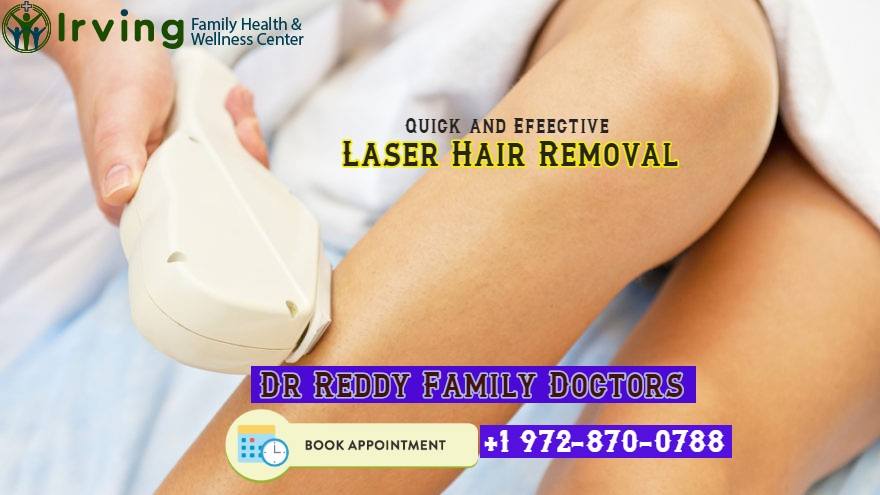
Laser hair removal is a medical process that uses a concentrated beam of light (laser) to remove unwanted hair.

During laser hair removal, a laser emits a light that is absorbed by the tint in the hair. The light energy is transformed to heat, which damages the tube-shaped sacs within the skin that produce hairs. This damage inhibits or delays upcoming hair growth.

Although laser hair removal efficiently delays hair growth for long periods, it usually doesn’t result in permanent hair removal. Several laser hair removal treatments are needed for initial hair removal, and maintenance treatments might be needed as well. Laser hair removal is most effective for the public who have light skin and dark hair.

Why We Need

Laser hair removal is used to decrease unwanted hair. Common treatment locations contain legs, armpits, upper lip, chin, and the bikini line. However, it’s possible to treat unwanted hair in closely any area, except the eyelid or surrounding area.

Hair color and skin type result the success of laser hair removal. The basic standard is that the pigment of the hair, but not the pigment of the skin, should absorb the light. The laser should damage only the hair cavity while avoiding damage to the skin. Therefore, a contrast between hair and skin color dark hair and light skin results in the top outcomes.

The risk of damage to the skin is greater when there is a slight difference between hair and skin color, but advances in laser technology have made laser hair removal an option for people who have blacker skin. Laser hair removal is a smaller amount effective for hair colors that don’t absorb light well: gray, red, blond and white. However, laser treatment options for light-colored hair continue to be advanced.

Risks of Laser Hair Removal

Dangers of side effects vary with skin type, hair color, treatment plan and adherence to pre-treatment and post-treatment care. The most common side effects of laser hair removal contain:

Skin irritation: Temporary discomfort, redness, and swelling are likely after laser hair removal. Any signs and symptoms typically disappear within some hours.

Pigment changes: Laser hair removal might dim or lighten the affected skin, usually temporarily. Skin lightening primarily affects those who don’t avoid sun exposure previously or after treatment and those who have darker skin.

Hardly, laser hair removal can cause blistering, crusting, scarring or other changes in skin texture. Other rare side effects include graying of treated hair or excessive hair growing around treated areas, particularly on darker skin. Laser hair removal isn’t suggested for eyelids, eyebrows or surrounding areas, due to the possibility of severe eye hurt.

Advantage of Family Medicine

Family Medicine is a Medical Department that provides comprehensive healthcare and medical explanations to the people of all ages in the family. This concept is popularly known as General Practice and the practitioner is generally referred as General Physician. Family Medicine & Medical Science Research is a Peer reviewed medical journal that includes a extensive range of issues in the field such as the diagnosis, characterization, and therapy of several marked diseases of the Medical Science to create a platform for the authors to make their role towards the journal.

Value and Scope of Family Medicine

Research shows that countries that highlight primary care have better health outcomes at lower costs. As the U.S. struggles to increase health care delivery, it is clear that primary care providers, especially family physicians, are key to a more effective system.

Possibility of Family Medicine

Of the primary care specialties (family medicine, general internal medicine and pediatrics), family physicians provide the most care – managing nearly one-fourth of all primary care visits. Given the scope of family medicine, this comes as no wonder. 

Family medicine is a realistic specialty, incorporating knowledge, skill and process. At the center of the development element is the patient-physician relationship with the patient viewed in the context of the family. It is the extent to which this connection is valued, developed, nurtured and maintained that distinguishes family medicine from all other specialties. 

Family physicians mix the biological, clinical and behavioral sciences to provide continuing and complete health care. Unlike pediatricians, who only provide attention for children, and internists, who only deal care for adults, family medicine encompasses all ages, sexes, each organ system and every disease entity. Family physicians also pay special care to their patients’ lives within the context of family and the community. While there are connections among family medicine and the other primary care specialties, family physicians have an unprecedented chance to have an impact on the health of an individual patient over that person’s whole lifetime.

What is a Pediatrician?

It’s one of the major decisions you make before your baby is born. Which pediatrician is the correct one for your child? Before you start your search, take a few minutes to learn correctly what this kind of doctor does. It will help you make a well choice and know what to expect when your little one arrives.

Pediatricians are doctors who manage the health of your kid, including physical, behavior, and mental health problems. They’re trained to diagnose and treat childhood illnesses, from petty health problems to serious diseases.

Pediatricians have an education that gives them special services to take care of your child’s health. They graduated from medical school and finished a 3-year residency program in pediatrics. You’ll want to catch one who’s also “board-certified.” That means they’ve passed rigorous exams given by the American Board of Pediatrics.

What Does Pediatrician Do?

They’ll see your child several times from birth to age 2 and once a year from ages 2 to 5 for “well-child visits.” After age 5, your pediatrician will likely continue to see your child every year for yearly checkups. They’re also the main person to call whenever your child is sick.

To take care of your child, your pediatrician:

  • Do physical tests
  • Give your child injections
  • Make sure to meets milestones in growth, behavior, and skills
  • Diagnose and treat your child’s illnesses, infections, injuries, and other health complications
  • Give you information about your child’s health, safety, nutrition, and fitness wants
  • Answer your questions about your little one’s growth and progress
  • Refer you to specialists if they think your child needs skilled care

Why Do You Need a Pediatrician?

One thing to keep in mind Family medicine doctors are also a choice for your child. They look after the health of your total family kids and grown-ups alike. It’s an own choice whether you use one or a pediatrician.

Some reasons to go with a pediatrician:

  • They have special training in children’s healthiness.
  • They only see children in their practice, so they have a lot of experience in recognizing and treating childhood diseases.
  • If your child was born early or has a health condition that needs close monitoring, a pediatrician may offer extra specialized care.

Primary Care Physician Duties

Primary Care Physician Duties

A primary care physician, or PCP, is measured your main doctor. They are responsible for dealing with the popular of your health care issues. Depending on the type of health insurance you have, your insurer may need you to have a primary care physician.

In the past, these physicians were known as family doctors or overall practitioners. Today they are so-called primary care physicians or primary care provider.

What do primary care physician do?

Your primary care physician is a generalist and can address most of your healthcare desires. In the event that you have a problem that’s more difficult than she can manage, your primary care physician will refer you to a suitable specialist. This may include a surgeon, a psychiatrist, or a cardiologist, for example.

You’ll go to your primary care physician for your yearly physical exam and preventive health care. Primary care physician will help you determine any medical concerns you’re at risk for developing in the upcoming. She will also give you advice on ways you might be able to prevent those problems or reduction your risk.

You’ll also go to your primary care physician for non-emergency problems that rise unexpectedly. For example, your primary care physician will dose you up when you have a miserable cold that settles in your chest and just won’t go away after a week. Did you pull your back while giving your dog a bath? Your primary care physician’s office should be your first stop.

Managing Protracted Conditions

Your primary care provider is also good at managing most chronic medical harms. If you have high blood pressure, diabetes, acid reflux disease, or osteoporosis, your primary care physician will support you keep these under control.

In some cases, your primary care physician may work together with a specialist to achieve chronic medical problems.

Take rheumatoid arthritis as an example. A rheumatologist may be intricate in the initial diagnosis and treatment of the disease. He may turn routine care over to your primary care physician once the disease is well organized by medications. Your primary care physician will then follow up on routine blood checks and prescription refills. Primary care physician may send you back to the rheumatologist if you have a flare-up, your symptoms get worse, or you develop complications.

In these situations, your primary care physician is the key member of your healthcare team. Quite often, she is your main contact who can help guide you along the way.